February 21, 2026
Heating and cooling systems are among the most expensive and heavily used components in any home or commercial building. When HVAC equipment is forced to run longer cycles, compensate for air leaks, or fight against unstable indoor temperatures, wear and tear accelerate. Over time, that strain shows up as higher energy bills, more frequent repairs, and shortened equipment lifespan.
This is where spray foam insulation becomes a strategic upgrade rather than a simple comfort improvement. By addressing heat transfer and uncontrolled airflow at the building envelope level, spray foam directly influences how hard HVAC systems must work. The result is not just improved efficiency, but also measurable reductions in mechanical stress.
Understanding How Insulation Impacts HVAC Performance
Insulation is often discussed in terms of comfort, but its deeper function is thermal control. HVAC systems are designed to maintain a target indoor temperature, yet they are constantly reacting to heat entering or escaping through walls, ceilings, crawlspaces, and roof assemblies.
When insulation is inadequate or compromised, HVAC equipment must cycle more frequently and operate longer to maintain stability. This repeated cycling is one of the primary drivers of component fatigue. Compressors, blowers, and motors endure greater strain when the system struggles to offset continuous thermal losses.
Properly installed spray foam insulation changes this dynamic by creating a tighter thermal boundary. Instead of constantly correcting temperature fluctuations, the HVAC system operates under more predictable conditions. Reduced runtime and fewer extreme temperature swings translate into lower mechanical stress.
Reducing Heat Transfer to Stabilize Indoor Temperatures
Heat transfer occurs through conduction, convection, and radiation. In many buildings, conduction through poorly insulated surfaces and convection driven by air leakage are the dominant sources of energy loss.
According to This Old House, two of the main benefits of spray foam insulation are that it delays heat transfer by slowing down conduction and limits convective heat transfer by closing off air leakage between indoor and outdoor spaces. This dual mechanism is particularly important for HVAC performance.
By slowing conduction, spray foam reduces the rate at which indoor heat escapes during winter or enters during summer. By limiting convection, it prevents conditioned air from leaking out and unconditioned air from infiltrating. Together, these effects create a more thermally stable interior environment.
Stable indoor temperatures mean HVAC systems operate with less urgency. Instead of reacting to rapid temperature shifts, the system maintains equilibrium with shorter, more efficient cycles. Over time, this stability helps protect critical components from excessive strain.
Sealing Air Leaks to Minimize System Overwork
Air leakage is one of the most underestimated contributors to HVAC inefficiency. Even small gaps around rim joists, attic penetrations, duct chases, and wall cavities can significantly disrupt thermal control.
When air escapes, HVAC systems must replace lost conditioned air. When outdoor air infiltrates, the system must condition that incoming air. Both scenarios increase workload without improving occupant comfort.
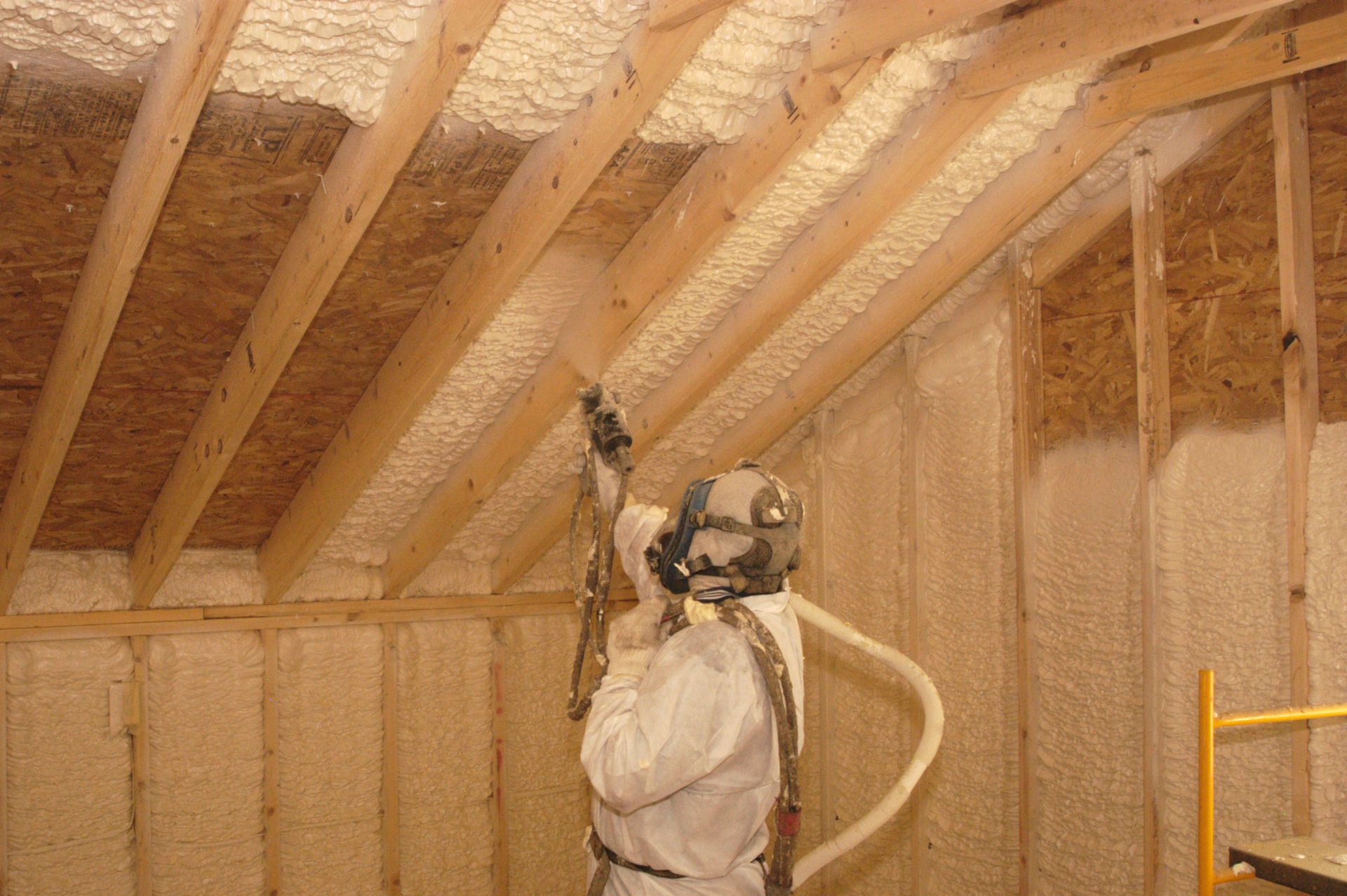
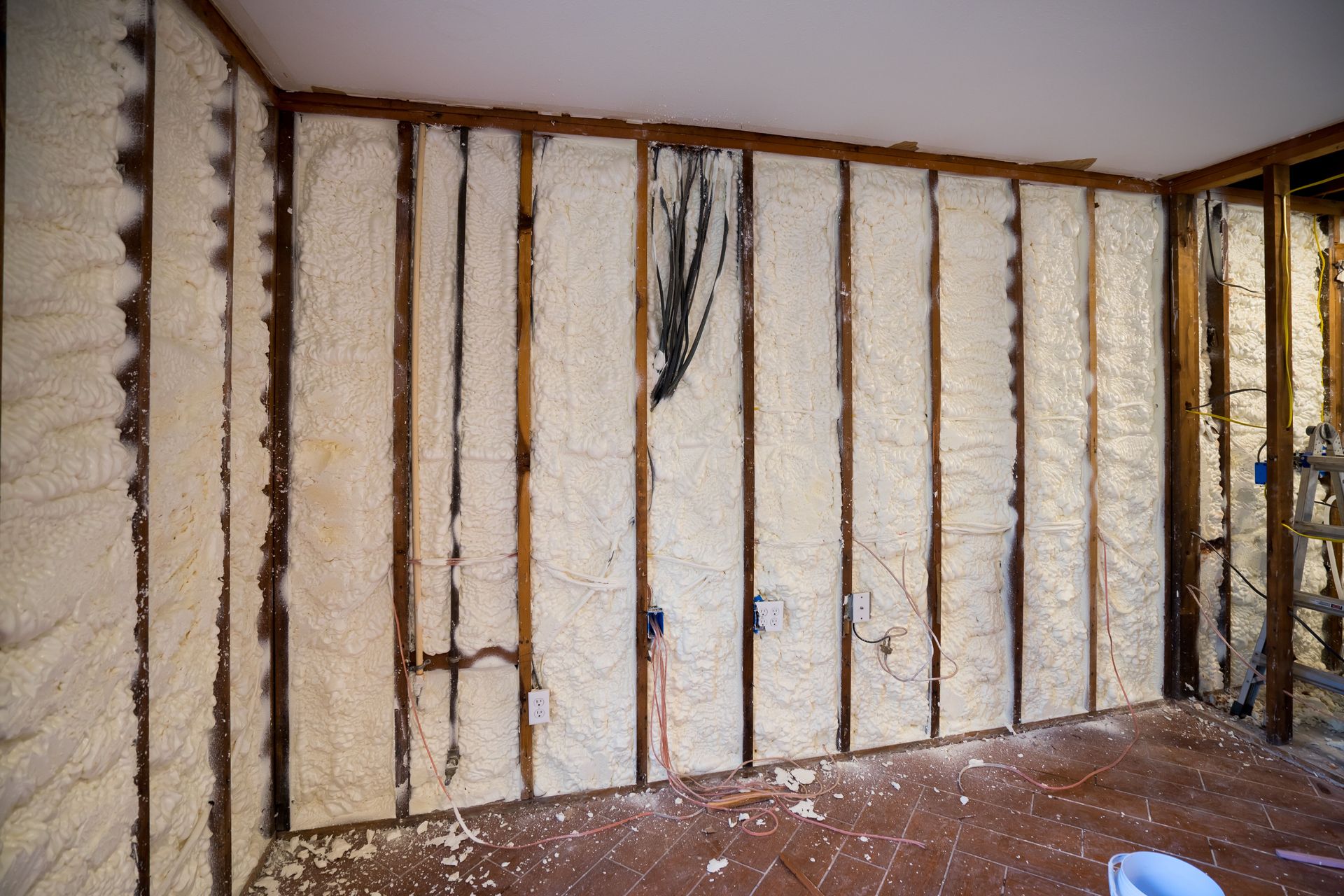
Spray foam insulation functions as both insulation and air barrier. Unlike traditional materials that primarily resist conduction, spray foam actively seals cracks, seams, and irregular surfaces. This air-sealing capability directly reduces the demand placed on HVAC systems.
A tighter building envelope means less wasted energy and less unnecessary system operation. HVAC equipment no longer compensates for continuous leakage, which reduces runtime and lowers cumulative mechanical stress. This is particularly valuable in extreme climates where infiltration can dramatically increase system load.
Improving Energy Efficiency to Lower Operating Costs
Energy efficiency is not solely about the HVAC unit itself. Even the most advanced high-efficiency system will underperform in a poorly insulated building. Efficiency must be evaluated at the system level, including the interaction between mechanical equipment and the building envelope.
When spray foam insulation is installed correctly, HVAC systems can achieve higher effective efficiency. Reduced heat loss and minimized air leakage mean less energy is required to maintain indoor conditions.
This efficiency improvement shows up as lower utility bills, but the benefits extend further. Reduced runtime decreases energy consumption while also limiting mechanical wear. In many cases, property owners see a combination of immediate operational savings and long-term equipment preservation.
Importantly, achieving these results depends on proper design and installation. Insulation thickness, foam type, and application areas must align with climate conditions and building characteristics. This is one reason professional installation is strongly recommended over DIY attempts.
Reducing Mechanical Wear to Extend Equipment Lifespan
HVAC systems are subject to both operational wear and environmental stress. Excessive cycling, prolonged runtime, and uneven load distribution accelerate degradation of motors, compressors, and electrical components.
By improving thermal control, spray foam insulation indirectly reduces these stressors. Systems operate under more consistent loads, experience fewer extreme cycles, and maintain more stable operating conditions.
Over time, this can translate into fewer repairs, delayed replacement timelines, and lower lifecycle costs. While insulation upgrades are often justified through energy savings alone, the equipment preservation aspect is equally significant.
From a financial perspective, extending HVAC lifespan can yield substantial value. Avoiding premature system replacement offsets a large portion of insulation investment, particularly in buildings with high heating and cooling demands.
Enhancing Indoor Comfort to Support System Efficiency
Comfort and efficiency are closely linked. Buildings with uneven temperatures, drafts, or persistent hot and cold spots often force occupants to adjust thermostats frequently. These adjustments increase system workload and disrupt efficient operation.
Spray foam insulation helps create uniform temperature distribution by eliminating drafts and stabilizing interior conditions. With fewer comfort complaints, thermostat settings tend to remain more consistent.
Consistent settings allow HVAC systems to operate within optimal performance ranges. Instead of reacting to large temperature swings, the system maintains steady-state conditions more efficiently.
Improved comfort also reduces reliance on supplemental heating or cooling devices, which further limits energy consumption and system strain.
Avoiding Common Installation Pitfalls Through Professional Expertise
While spray foam insulation offers substantial benefits, installation quality is critical. Improper mixing, uneven application, inadequate thickness, or poor surface preparation can compromise performance.
DIY installation carries several risks. Inconsistent coverage can leave thermal gaps. Improper curing can affect material stability. Incorrect foam selection can create moisture or ventilation issues.
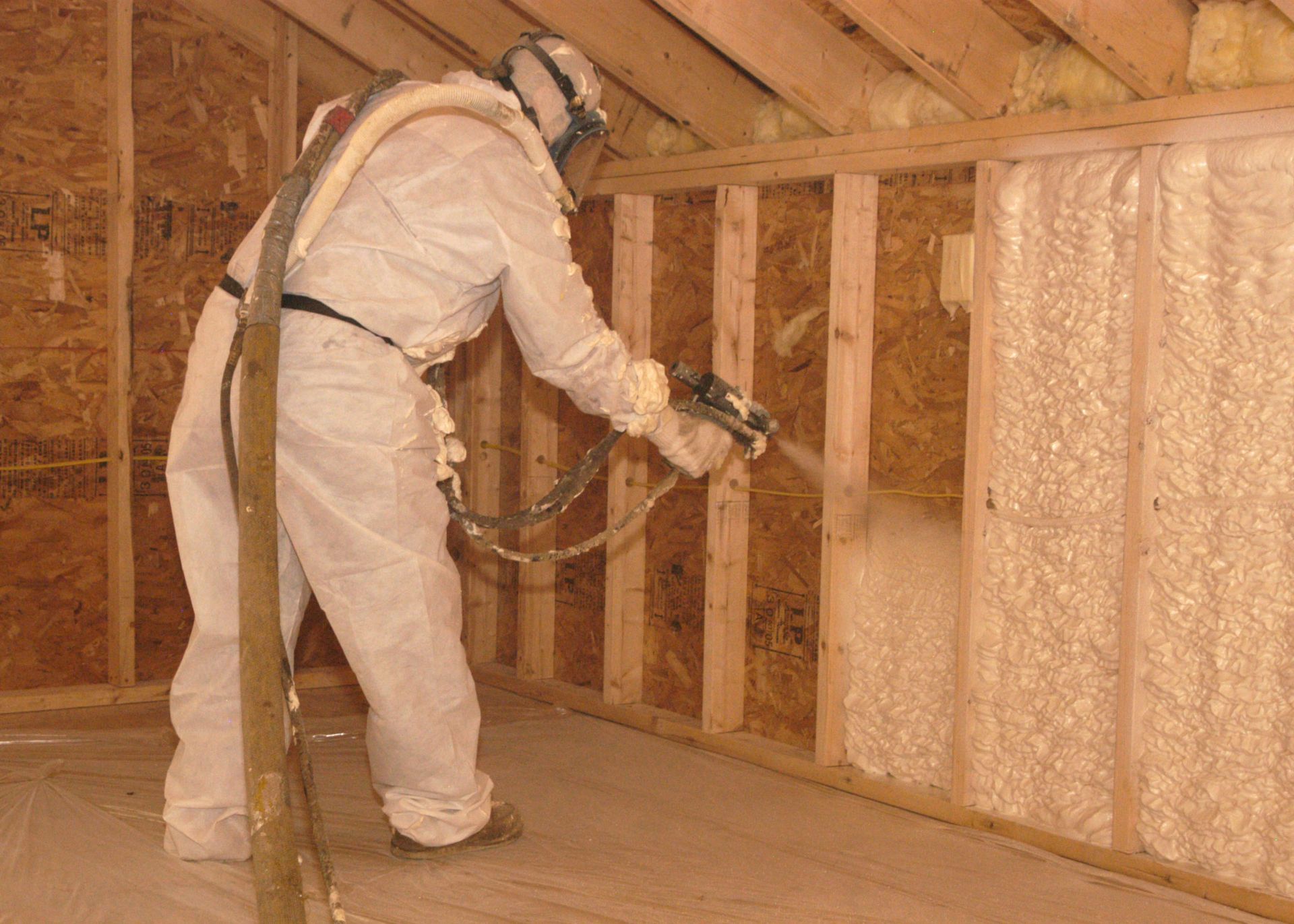
Professional installers evaluate building conditions, identify critical leakage points, and apply foam using calibrated equipment. They also account for ventilation, moisture management, and code compliance.
Given the direct impact on HVAC performance and building durability, professional installation is not merely a convenience — it is a risk management strategy. Poor insulation work can undermine both efficiency gains and mechanical system benefits.
Evaluating Long-Term Value Beyond Immediate Energy Savings
Spray foam insulation should be viewed as a long-term asset rather than a short-term expense. The combined effects on energy efficiency, HVAC wear reduction, comfort improvement, and building durability contribute to sustained value.
Energy savings accumulate monthly. Reduced repairs lower maintenance costs. Extended equipment lifespan delays capital expenditures. Improved comfort enhances occupant satisfaction.
When evaluated holistically, the financial and operational benefits often exceed initial projections. This is especially true in buildings with high HVAC usage, significant air leakage, or aging mechanical systems.
HVAC systems perform best when they are not constantly compensating for building inefficiencies. By reducing heat transfer, sealing air leaks, stabilizing indoor temperatures, and lowering runtime demands, spray foam insulation directly supports both energy efficiency and mechanical longevity.
The key to realizing these benefits lies in proper design and expert installation. Insulation upgrades are too influential to approach casually, particularly when HVAC performance and building integrity are at stake.
If you are looking to reduce energy costs, minimize HVAC wear, and improve overall building performance, we can help. Contact Coleman Spray Foam to discuss a professionally installed solution tailored to your property.