June 12, 2026
Spray foam insulation is a versatile option for residential and commercial properties because it helps improve comfort, energy efficiency, and noise control. Unlike traditional materials that are cut and fitted into place, foam expands after application, allowing it to seal small gaps and hard-to-reach areas. This makes it useful for attics, crawl spaces, wall cavities, basements, and other areas where air leaks can affect indoor comfort.
For property owners comparing insulation options, spray foam insulation stands out because it works as both an insulating material and an air barrier. Its ability to expand, harden, and conform to irregular spaces gives it advantages that many other materials cannot match. Below are a few interesting facts that explain how it works, why professional installation matters, and where it can be used.
1. The Science Behind Spray Foam Insulation
A. The Chemistry Behind The Material
Spray foam insulation is made from two main components, isocyanate and polyol resin. When these materials combine, they react, expand, and harden into foam. This reaction allows the material to fill spaces more completely than many traditional insulation products.
The foam can be open-cell or closed-cell, depending on the needs of the building. Open-cell foam is lighter and more flexible, making it a strong choice for sound control. Closed-cell foam is denser and more rigid, making it useful when moisture resistance and higher insulating value are priorities.
B. How It Expands And Hardens
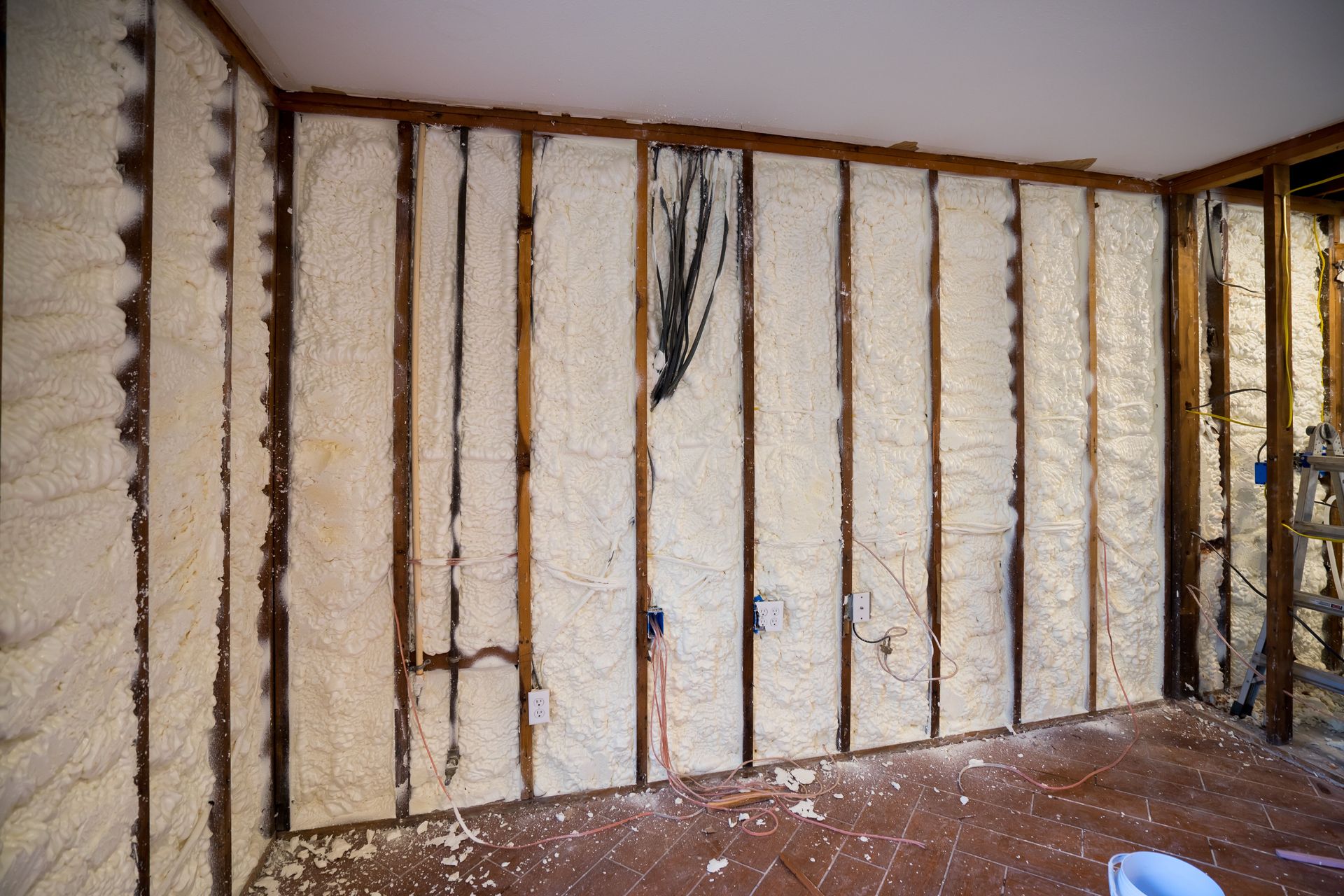
During installation, spray foam insulation starts as a liquid mixture that is applied with specialized equipment. Once sprayed, the foam expands quickly and fills gaps, cracks, and voids. This expansion allows it to create a continuous seal in areas where air may otherwise move freely.
After expansion, the material cures and becomes stable. This process helps it stay in place for years when installed correctly. Because timing, temperature, surface preparation, and thickness all matter, this is a job that should be handled by trained professionals rather than as a DIY project.
C. Why Density Matters
The density of spray foam affects how it performs. Higher-density foam is often used in areas that need greater structural strength, moisture resistance, or thermal control. Lower-density foam is commonly used where sound absorption and air sealing are the main goals.
Choosing the right density depends on the space, climate, building design, and project goals. A professional installer can assess the property and recommend the right product for each area. This helps the insulation perform as intended without creating issues from poor application or incorrect material selection.
D. Open-Cell Vs. Closed-Cell Foam
Open-cell foam has a softer structure and is helpful for reducing noise between rooms or floors. It expands well and can fill large cavities, which makes it useful in interior walls and other areas where sound control is important.
Closed-cell foam is denser and provides stronger resistance to moisture and air movement. It is often used in basements, crawl spaces, exterior walls, and roofing applications. Both types can be valuable, but the right choice depends on the needs of the building.
E. Environmental Developments
Manufacturers have continued improving foam formulas to reduce environmental impact while maintaining strong performance. According to GreenMatch, properly installed foam has the potential to last over 80 years without degradation. That long service life can reduce the need for frequent replacement.
When spray foam insulation lasts for decades, it can contribute to long-term energy savings and reduced material waste. However, performance depends heavily on proper installation, which is another reason to work with qualified professionals.
2. Energy Efficiency And Cost Savings
A. Reduced Monthly Energy Bills
One of the biggest reasons property owners choose spray foam insulation is its ability to reduce air leaks. When outdoor air enters through gaps and conditioned indoor air escapes, heating and cooling systems have to work harder. Foam helps limit that exchange by sealing many of those openings.
With better air sealing, a building may stay warmer in winter and cooler in summer. This can reduce energy use and help lower monthly utility costs over time. While installation costs may be higher than some traditional materials, the long-term savings can make it a practical investment.
B. Improved Thermal Performance
Spray foam insulation can improve thermal performance because it expands into cracks, corners, and irregular surfaces. This helps create a more complete barrier against heat transfer. Closed-cell foam, in particular, offers a higher R-value and strong resistance to heat flow.
Better thermal performance can also improve indoor comfort. Rooms that once felt drafty or uneven in temperature may become more consistent. This can be especially helpful in older buildings, additions, garages, and attic spaces.
C. Long-Term Return On Investment
Long-term value is one of the main advantages of spray foam insulation. When installed correctly, it can remain effective for decades with minimal maintenance. Its long lifespan can help offset the initial project cost by reducing energy waste and limiting the need for replacement.
Property owners should also consider the comfort benefits. Lower energy bills are important, but fewer drafts, better temperature control, and quieter interiors can also improve the everyday use of a home or commercial space.
D. How It Compares To Other Insulation Types
Fiberglass and cellulose can both be useful insulation materials, but they do not seal air leaks the same way foam does. Gaps, settling, compression, or poor fitting can reduce the performance of traditional materials.
Spray foam insulation creates a tighter seal because it expands after application. This makes it especially useful in spaces with plumbing, wiring, framing gaps, and odd angles. For buildings where air leakage is a major concern, foam can provide a more complete solution.
3. Installation Process And Techniques
A. Preparation And Safety Measures
The installation process requires careful preparation. Surfaces should be clean, dry, and free of dust or debris so the foam can adhere properly. The work area may also need ventilation and temporary access restrictions while the material is being applied and cured.
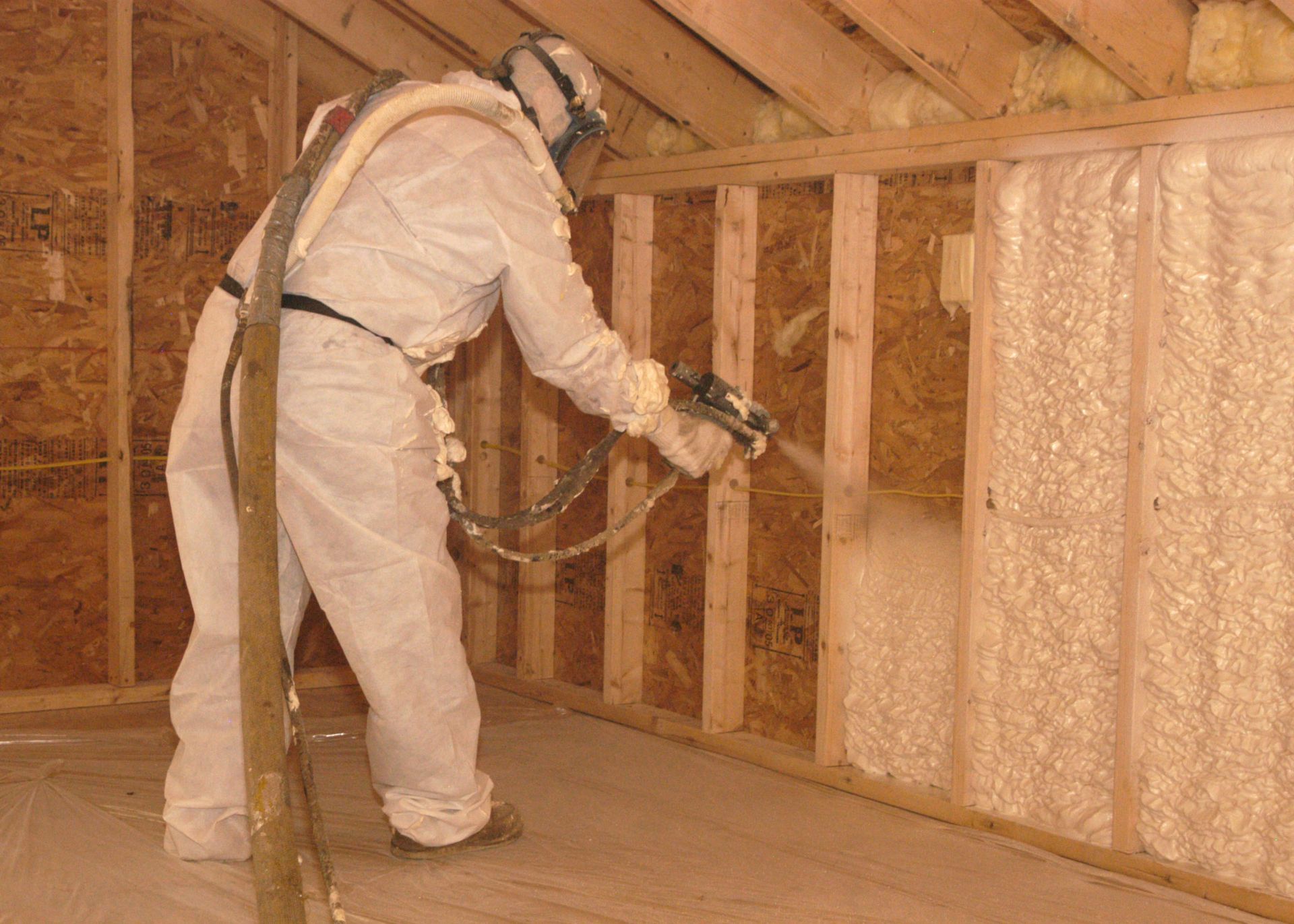
Installers wear protective equipment during application because the materials must be handled properly. This is not the kind of project that should be approached casually. Professional installation protects the property and helps the finished product perform correctly.
B. Equipment Used During Installation
Applying spray foam insulation requires specialized tools, including a proportioner, heated hoses, and a spray gun. The equipment controls the temperature and mixture of the two foam components. If the ratio or temperature is wrong, the foam may not cure or perform correctly.
Experienced installers understand how to adjust equipment based on jobsite conditions. Temperature, humidity, surface type, and application depth all affect the result. Proper equipment and training are key parts of a successful installation.
C. Step-By-Step Application
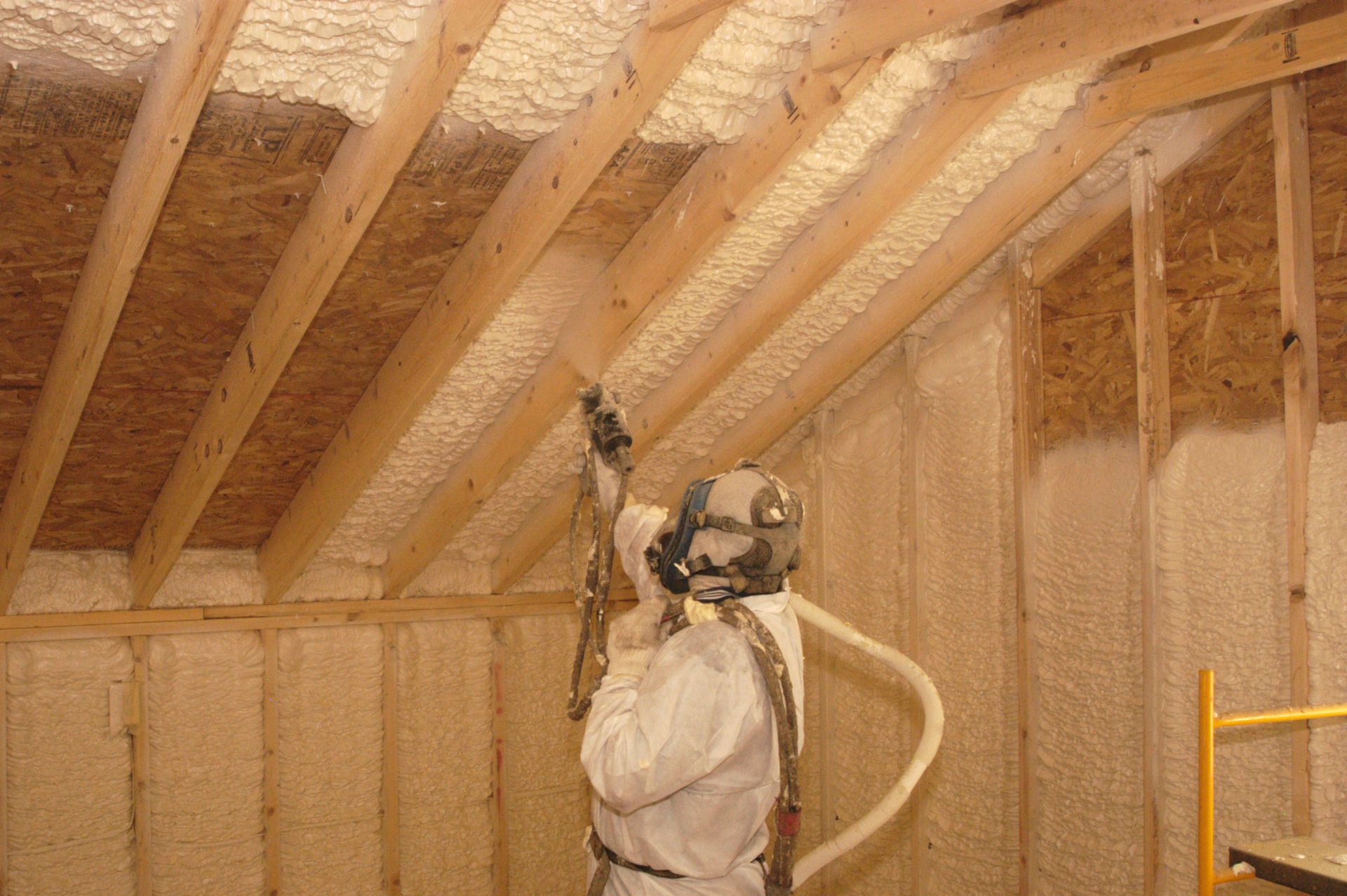
First, the areas that need insulation are identified and prepared. The installer then applies the foam in controlled layers. Each layer expands and begins curing before more material is added, depending on the required thickness.
After application, the area is inspected for coverage, gaps, and consistency. Trimming may be needed in some spaces. A careful final review helps confirm that the foam has sealed the intended areas and reached the proper depth.
D. Common Installation Mistakes
Common mistakes include applying foam too thickly, spraying unevenly, using the wrong product, or failing to prepare surfaces properly. These problems can lead to poor curing, weak adhesion, odors, or reduced performance.
Because spray foam insulation depends on correct mixing and application, mistakes can be costly to fix. Working with trained professionals helps reduce these risks and leads to a cleaner, safer, and more effective result.
Spray foam insulation offers more than basic thermal protection. It can help reduce drafts, improve comfort, support sound control, resist moisture, and provide long-lasting performance when installed correctly. From attics and crawl spaces to commercial buildings and specialty applications, it remains a strong option for many property owners. Because the process involves chemical mixing, safety precautions, and precise application, working with experienced professionals is the best way to get lasting value from the investment. Reach out to Coleman Spray Foam today to learn more.